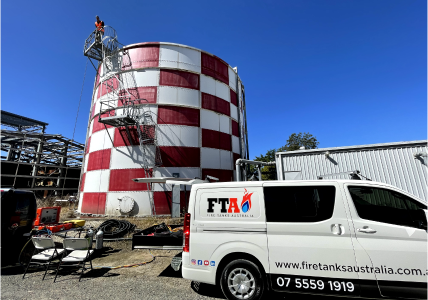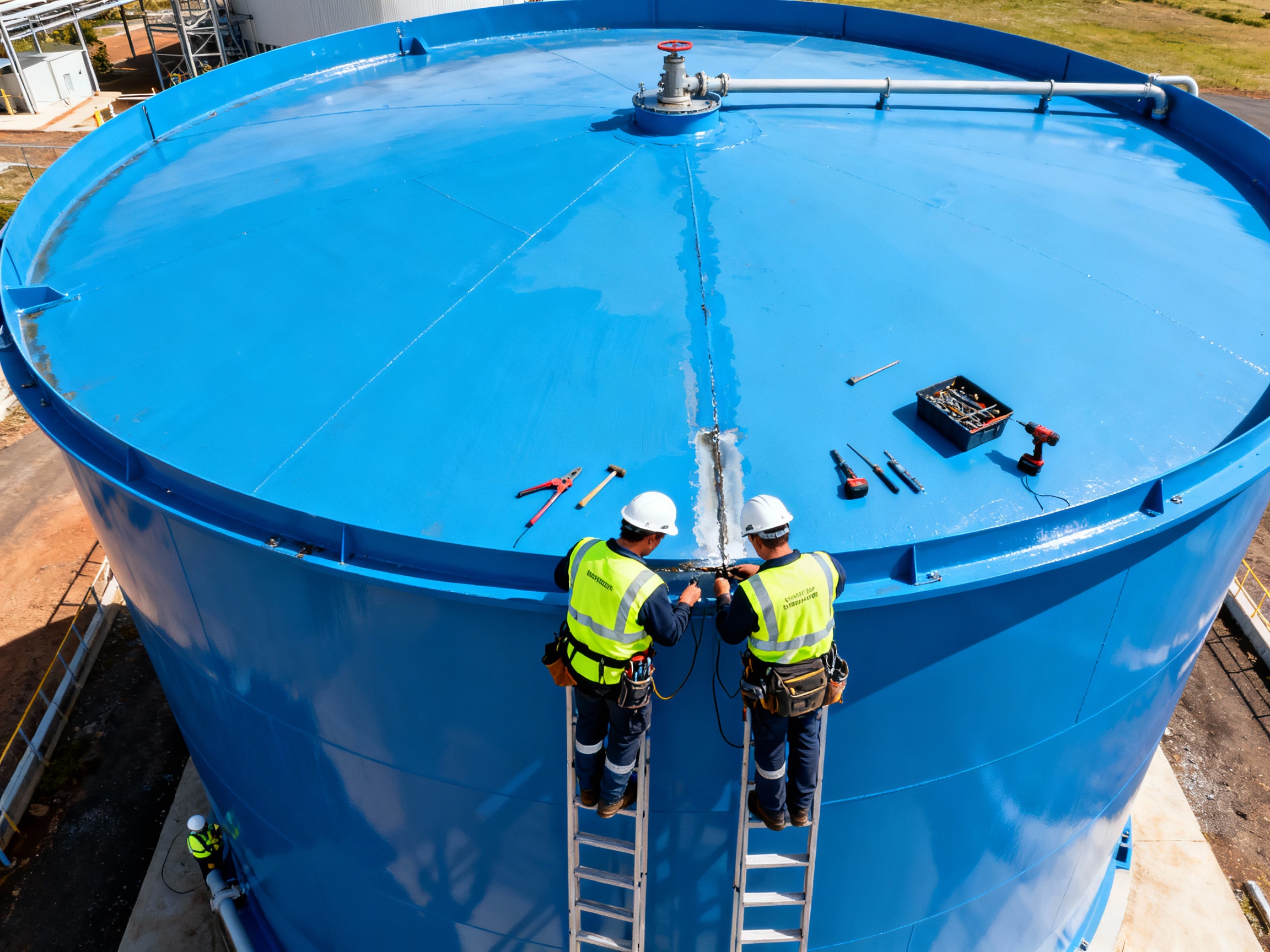

Fire tanks are essential for ensuring a reliable water supply during emergencies because they store a dedicated volume of water intended specifically for firefighting purposes. Unlike regular water tanks used for irrigation or household needs, fire tanks must deliver immediate, high-pressure water through outlets connected to hydrants, sprinklers, or hoses. This reliability is critical when combating fires to minimise damage and protect lives.
Fire tanks are designed with strict compliance standards such as AS1851 and AS2304, ensuring minimum capacity and multiple dedicated outlets. They require strategic placement close to firefighting equipment to guarantee sufficient flow rates without delay or interruption. Environmental factors, usage, and aging can impact tank integrity over time. Wear and tear, corrosion, sediment buildup, leaks, and mechanical failures are common issues that can reduce efficiency and reliability. Maintaining the tank’s condition through regular inspections, cleaning, and timely repairs prevents failure during critical moments.
Overall, understanding fire tanks’ unique role and maintenance needs is key to safeguarding properties with a dependable emergency water source. Properly maintained fire tanks comply with safety regulations and are ready for rapid response when fires occur, ensuring peace of mind and effective disaster management.
Common Fire Tank Repair Issues
1. Corrosion and Rust
Corrosion is one of the most common issues affecting fire tanks, particularly those constructed from metal materials. It typically occurs due to prolonged exposure to moisture, environmental chemicals, and atmospheric elements. Corrosion gradually weakens the tank’s structural integrity, leading to thinning of the metal walls, formation of rust, and eventually leaks that compromise the tank’s performance during an emergency.
Causes of Corrosion
- Prolonged contact with water and humidity.
- Chemical exposure from cleaning agents or the surrounding industrial environment.
- Poor protective coatings or breakdown of existing anti-corrosion layers.
Solution:
Regular professional inspections are crucial to identify early signs of corrosion. Application of specialised anti-corrosion coatings, such as epoxy or polyurethane paints, provides a strong barrier against moisture and chemical attack. Some fire tanks may benefit from internal linings using materials like PVC or polyethylene to prevent oxidation and corrosion, especially for older steel tanks.
Areas where corrosion is detected should undergo thorough cleaning, rust treatment, and, if severe, replacement of affected parts. Employing licensed contractors who understand Australian Standards, especially AS1851 for fire protection maintenance, ensures effective corrosion management and regulatory compliance.
Professional fire tank maintenance services commonly include corrosion prevention as part of routine upkeep, helping to extend the lifespan and preserve the functionality of your fire tank.
2. Leaks and Cracks
Leaks and cracks in fire tanks are significant problems that can occur due to several factors such as ageing materials, physical impact damage, or faulty welds from installation or repairs. These defects compromise the tank’s ability to hold water effectively, resulting in water loss, decreased firefighting efficiency, and potential system failure during emergency situations.
Causes of Leaks and Cracks
- Material fatigue and metal degradation over years of use.
- Impacts from equipment, vehicles, or environmental events such as storms.
- Poor weld quality or damage sustained during repairs or installation.
- Pressure fluctuations causing stress fractures in the tank structure.
Solutions and Repair Techniques
Small leaks can often be temporarily or permanently sealed using high-quality epoxy or resin repair kits, which adhere tightly to the affected surfaces and restore integrity without requiring draining the tank. These solutions are useful for quick fixes or minor cracks but must be performed carefully to ensure compatibility with fire safety standards.
For larger cracks or significant structural damage, professional welding or patching is necessary. Licensed contractors specialising in fire tank repair use industry-accepted methods to ensure leak-proof restoration compliant with Australian regulations. These repairs may include:
- Welding using appropriate techniques and materials suited for fire water tanks.
- Installing reinforced patches on compromised areas.
- Performing thorough leak detection and pressure testing post-repair to guarantee system reliability.
Engaging certified experts is essential to maintain the tank’s safety function and avoid costly failures. Professional fire tank repair services offer precise leak detection as well as durable repair solutions tailored for fire protection infrastructure.
3. Sediment Buildup
Over time, dirt, silt, organic matter, and other debris naturally accumulate at the base of fire tanks. This sediment buildup reduces the effective water capacity and compromises water quality, which can affect firefighting system performance during emergencies. The sediment can also clog pumps, valves, and sprinkler systems, leading to reduced flow and potential system failure.
Causes of Sediment Buildup
- Particles carried in via rainwater or bore water catchment areas, such as dust, sand, leaves, and insect remains.
- Rust flakes from degrading internal tank surfaces or piping.
- Mineral deposits such as calcium and iron, common in certain water sources.
- Organic material decomposition leading to sludge formation.
Impacts of Sediment
- Reduced usable water volume in the tank.
- Clogging of filters, pipes, and pumps can lead to maintenance issues and costly repairs.
- Deterioration of water quality used for firefighting, increasing contamination risk.
Solutions and Maintenance
Periodic professional cleaning and sediment removal is essential to maintain tank performance. Specialised cleaning services like fire tank cleaning use appropriate equipment and techniques to completely remove sediment and sludge without damaging the tank structure.
Implementing preventative measures such as installing pre-filters near inlets, covering tanks with sealed lids, and routine clearing of catchment areas (e.g. gutters and roofs) helps minimise new sediment entry.
Regular inspections help determine when cleaning is necessary and can detect sediment-related issues early, preventing costly damage or system downtime.
4. Faulty or Damaged Valves
Valves play a critical role in fire tanks, controlling the flow and pressure of water essential for effective firefighting. Faulty or damaged valves caused by corrosion, mechanical wear, blockages, or improper handling can severely impair system performance and reliability during emergencies. If valves fail to open or close correctly, water delivery is compromised, posing significant safety risks.
Causes of Valve Issues
- Corrosion and rust from prolonged exposure to water and environmental factors.
- Mechanical wear or damage due to frequent use or impact.
- Blockages caused by debris or sediment buildup.
- Failure to perform regular maintenance checks.
Solutions and Maintenance
Regular inspection and maintenance of valves form a key part of fire tank upkeep in accordance with Australian Standard AS1851-2012. These inspections verify that valves operate freely without leaks and that seals and gaskets are intact and functional.
Damaged or corroded parts should be replaced promptly by licensed service providers to ensure compliance and reliability. Professional maintenance teams also conduct flow tests to confirm that valves maintain the water pressure required for fire safety systems to function effectively.
Integrating valve upkeep with a comprehensive fire tank maintenance programme ensures the entire system remains operational, compliant, and ready for emergency use.
For professional fire tank maintenance services, see our fire tank maintenance page.
5. Structural Damage to Lid or Supports
Fire tanks may experience damage to critical components such as lids, roofs, or support structures, especially following severe weather events, physical impacts, or ageing. Damaged lids can expose the water supply to contaminants like debris, dust, or animals, compromising water quality and system compliance. Similarly, weakened roofs or support frameworks can threaten the overall stability and safety of the tank, potentially leading to serious failures during emergency use.
Causes of Structural Damage
- Exposure to extreme weather conditions such as hail, storms, or high winds.
- Physical impacts from machinery or falling objects.
- Age-related material fatigue and corrosion weakening tank components.
- Ground shifting affects the structural support base.
Solutions and Repair Methods
Structural damage requires timely and professional intervention. Damaged lids should be replaced or reinforced promptly to prevent contamination risks. Support structures exhibiting wear or deformation must be repaired or rebuilt by certified technicians, following Australian standards to ensure safety and durability.
Repairs might involve welding or replacement of metal components, installation of new lids made from corrosion-resistant materials, or reinforcement of support trusses. In addition, routine structural integrity assessments, including hydrostatic pressure testing where applicable, help detect hidden weaknesses before they manifest as failures.
Several specialised firms provide comprehensive fire tank repair and maintenance services incorporating structural repair and testing, ensuring tanks remain compliant and fully operational.
For further detailed maintenance services, consult professional providers like Fire Tank Maintenance Australia.
Preventative Measures to Minimise Repairs
- Schedule regular professional inspections and maintenance.
- Implement corrosion protection systems and tank linings.
- Keep tanks clean by scheduling seasonal cleaning.
- Ensure all repairs use materials compliant with fire safety standards.
FAQs About Fire Tank Repairs
Q1: How often should fire tanks be inspected for repairs?
At least annually, or more frequently in harsh environments, per AS1851 guidelines.
Q2: Can small leaks be repaired without draining the tank?
Yes, some epoxy-based repairs can be done while tanks remain full, often requiring professional divers.
Q3: What causes sediment buildup in fire tanks?
Sediment originates from surrounding soil, debris, and organic matter entering the tank.
Q4: Are fire tank repairs covered by insurance?
Coverage varies; maintaining compliance and documentation helps with claims.
Q5: How long does a typical fire tank repair take?
Minor repairs can take a few hours; extensive repairs may need days depending on severity.
Q6: What materials are best for repairing fire tanks?
Use fire-safe, corrosion-resistant materials recommended by licensed professionals.
Q7: How is corrosion detected early?
Regular professional inspections and monitoring coating conditions help detect early corrosion.
Q8: Can I perform fire tank repairs myself?
Some minor maintenance may be possible, but critical repairs should be done by licensed technicians.
For more information on maintaining your fire tanks or professional repair services, visit our Fire Tank Maintenance page.
Australian Standard AS1851-2012 on routine service of fire protection systems.