
Fire tanks are critical components of fire protection systems, ensuring an adequate water supply during emergencies. Proper inspection of these tanks is essential for safety, compliance, and performance. This step-by-step guide covers everything businesses need to know about fire tank inspections, including why they matter, how to prepare, and what the process entails. This guide is focused on providing clear, practical advice for locations across Australia.
Why Fire Tank Inspections Matter
Fire tanks store water specifically for fire suppression, and keeping them in optimum condition is not just a safety measure but a regulatory necessity. Australian standards, particularly AS1851, set clear requirements for regular inspections to help prevent system failures during a fire event. Inspections ensure tanks are free of contaminants, structurally sound, and compliant with laws that affect insurance and liability.
Step 1: Understand Compliance Requirements
Start by familiarising yourself with the AS1851 standard which outlines routine service schedules and procedures for fire protection equipment, including water storage tanks. This standard mandates inspections, cleaning requirements, and maintenance actions to guarantee the functional integrity of fire tanks.
Step 2: Schedule Regular Inspections
Fire tanks must be inspected monthly, with higher level inspections / cleans carried out annually, with some facilities requiring more frequent checks based on risk factors and local regulations. Schedule inspections proactively to avoid downtime and to comply with insurance requirements.
Step 3: Prepare for the Inspection
Notify relevant personnel ahead of time and prepare all necessary documentation, including past inspection reports. Ensure access to the fire tank area is safe and unobstructed for the inspection team. Overflow drain lines, including the sump pumps that the overflow drains to can become blocked or or the pumps fail to start. This can cause unnecessary flooding and damage to the building if not tested and checked at least annually.
Step 4: Conduct Physical Inspections
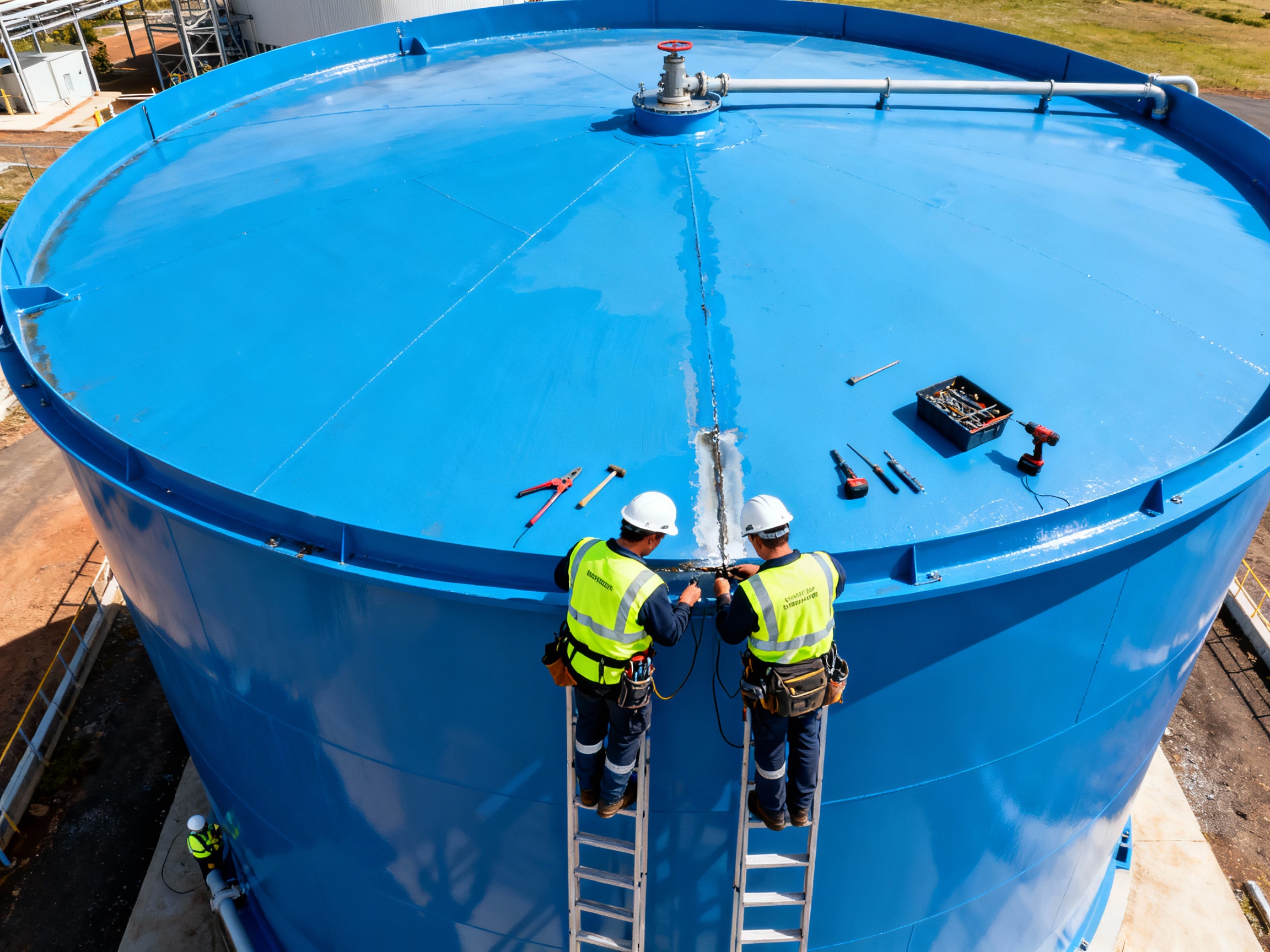
Licensed commercial divers, plumbers, wet fire certifiers and inspection specialists typically perform the physical tank inspection, verification and certification. They check for:
- Structural integrity: including cracks or leaks,
- Sediment / sludge levels and the presence of contaminants,
- Condition of tank linings and fittings,
- Air-gaps, overflow pipework, size of anti-vortex plates against all relevant Australian Standards (plumbing and fire),
- Flow testing of reduced capacity fire tanks,
- Operational status of valves, vents, level indicators and overflows.
Video documentation and photos (both before and after each inspection) should always be collected to verify the tank’s condition and all mandatory work completed.
Step 5: Review Compliance and Reporting
After completing the physical inspection, detailed reports including findings, photos, and necessary corrective actions are compiled. These reports are critical for maintaining regulatory compliance, insurance documentation, and guiding maintenance work.
Step 6: Implement Maintenance and Repairs
Based on the inspection, schedule any necessary cleaning or repairs promptly. Using licensed professionals ensures work meets compliance standards and extends the service life of the tank. Manufacturer warranty may be compromised if mandatory inspections and testing have been missed. For related cleaning services, visit our Fire Tank Cleaning page.
Step 7: Maintain Inspection Records
Keep thorough records of all inspections, maintenance, and repairs. These documents are essential during audits and insurance claims to prove due diligence and compliance. Currently, the AS1851 standard requires all routine maintenance records to be kept for 7 years minimum however this may vary in some states.
Importance of Early Issue Detection and Preventative Maintenance
Regular fire tank inspections not only ensure compliance but can also prevent costly emergencies by identifying potential problems early. For instance, corrosion, cracks, or sediment buildup can reduce a tank’s effectiveness, possibly causing system failures during critical moments. Early detection through inspections allows for targeted maintenance that extends the life of the tank and safeguards your property.
Professional Inspections with Advanced Reporting and Compliance
Utilising licensed professionals with commercial diving expertise guarantees thorough inspections while tanks remain operational, minimising downtime. Additionally, advanced video reporting during inspections provides transparency and detailed documentation, supporting compliance with government standards and insurance requirements. This helps facilities demonstrate due diligence and maintain peace of mind.
Final Thoughts
By following this step-by-step guide to fire tank inspections, businesses can safeguard their assets, comply with mandatory regulations, and contribute to overall fire safety. Regular inspections are more than an obligation; they are a critical safety practice that protects lives and property.
For expert inspection and cleaning services compliant with Australian Standards, get in touch with Fire Tanks Australia today.
Frequently Asked Questions (FAQs)
Q1: How often should fire tanks be inspected?
Fire tanks require monthly inspections as per AS1851 standards, with more frequent checks based on risk factors that are identified.
Q2: Can fire tanks be inspected without draining?
Yes, licensed commercial divers can inspect and clean tanks as per AS1851 requirements without draining down, preserving water supply and reducing downtime. This method of maintenance is also more gentle on tanks with liners and often extends the life of the liner.
Q3: Why is compliance with AS1851 important?
Compliance ensures tanks meet safety and performance standards, which is crucial for legal protection, insurance, and effective fire response.
Q4: What documentation is provided after inspections?
Detailed reports including photos and video footage are provided to document tank condition and compliance status. A full report must also be provided that covers all inspection items outlined in AS1851.
Q5: Who can perform fire tank inspections?
Only licensed and certified professionals with relevant qualifications, such as plumbers commercial divers and fire safety specialists, should perform inspections.